

Jason Chow

Interactive Voice Agents
Try talking to a fully autonomous voice agent that was built to help you navigate this website. This lab showcases real-time speech synthesis, intent recognition, contextual response generation, and guardrails all seamlessly integrated into site content and navigation.
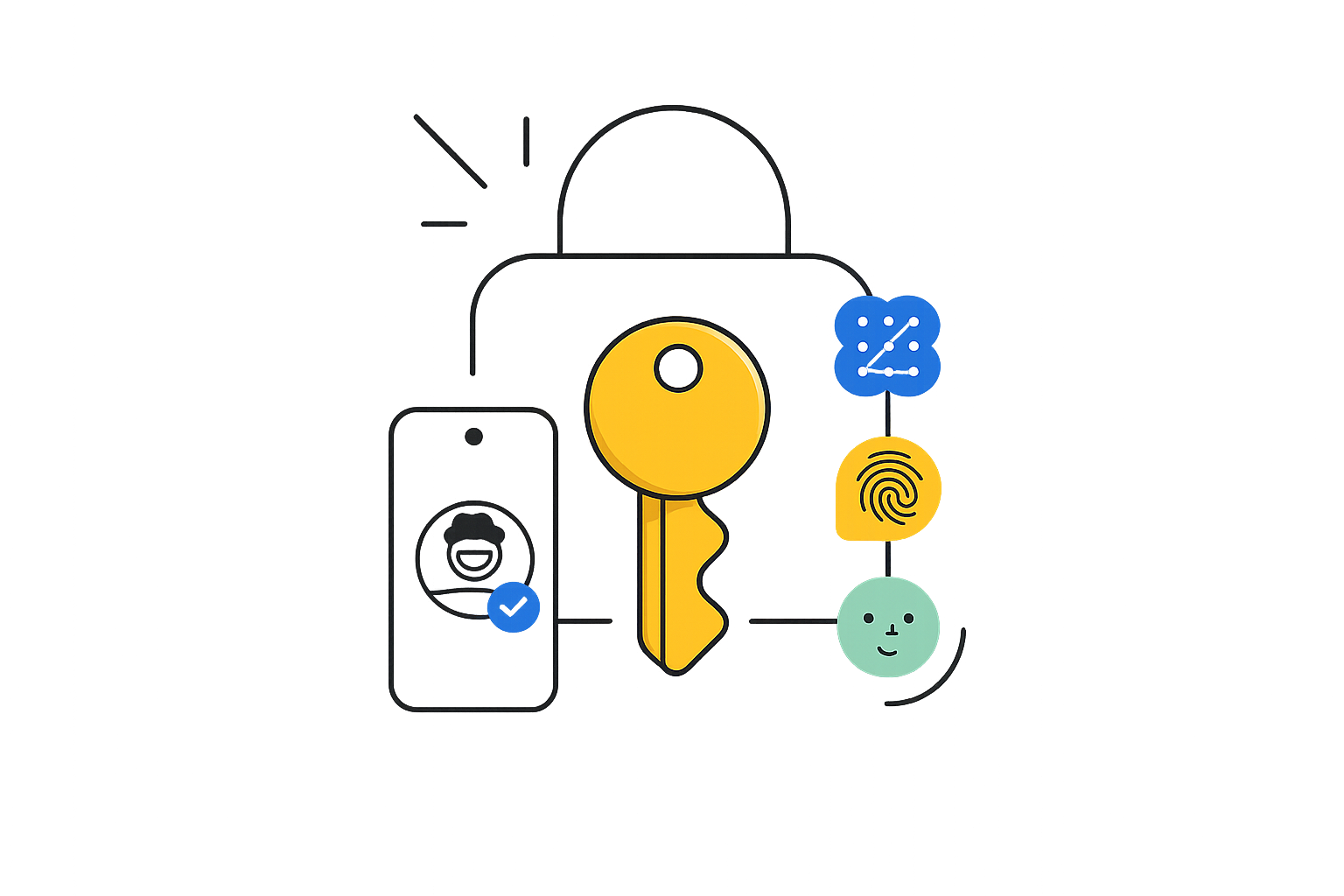
Passkeys: Interactive Walkthrough
An interactive walkthrough of passkeys and how the WebAuthN protocol works in practice. This lab visually breaks down passkey registration and authentication flows, showing on-device key generation, cryptographic challenge signing, and server-side verification as they occur.

Securing AI Chatbots
An interactive lab featuring a vulnerable and a secured AI support chatbot. Explore how LLM-powered agents can be manipulated through enumeration, social engineering, and cross-account attacks — then see how backend guardrails like input scanning, tool-level authorization, and output filtering defend against the same exploits.
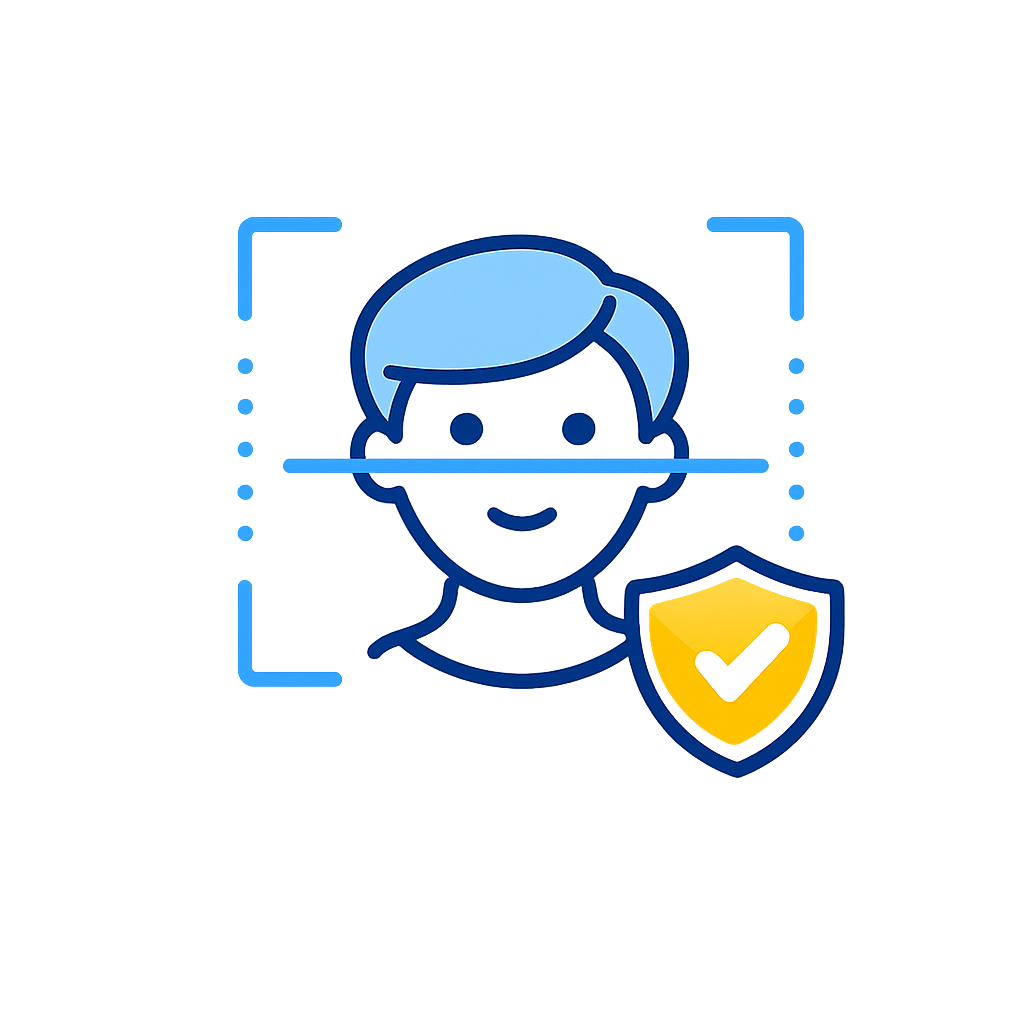
Facial Liveness Verification
An interactive lab exploring how facial verification systems distinguish a live human from a spoofed image, video, or mask. This lab covers passive and active liveness techniques, depth estimation, challenge-response prompts, and texture analysis used to defend against presentation attacks.
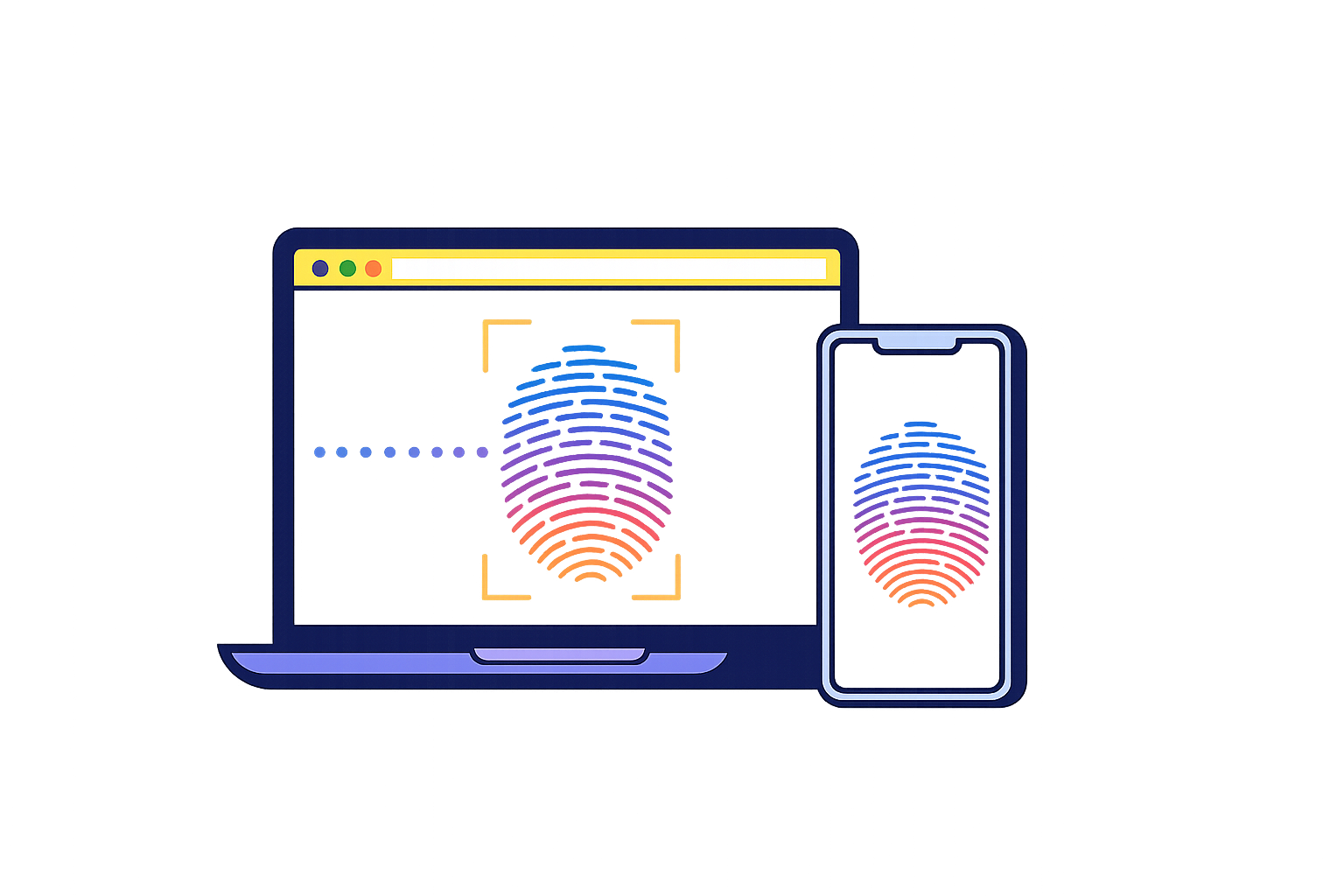
Browser Fingerprinting
See what your browser silently reveals to every website you visit. Run an instant audit of your digital fingerprint, network identity, and tracking surface — covering canvas and audio fingerprints, installed fonts, GPU details, permissions, and more. Adjust your settings and run it again to see what changed.
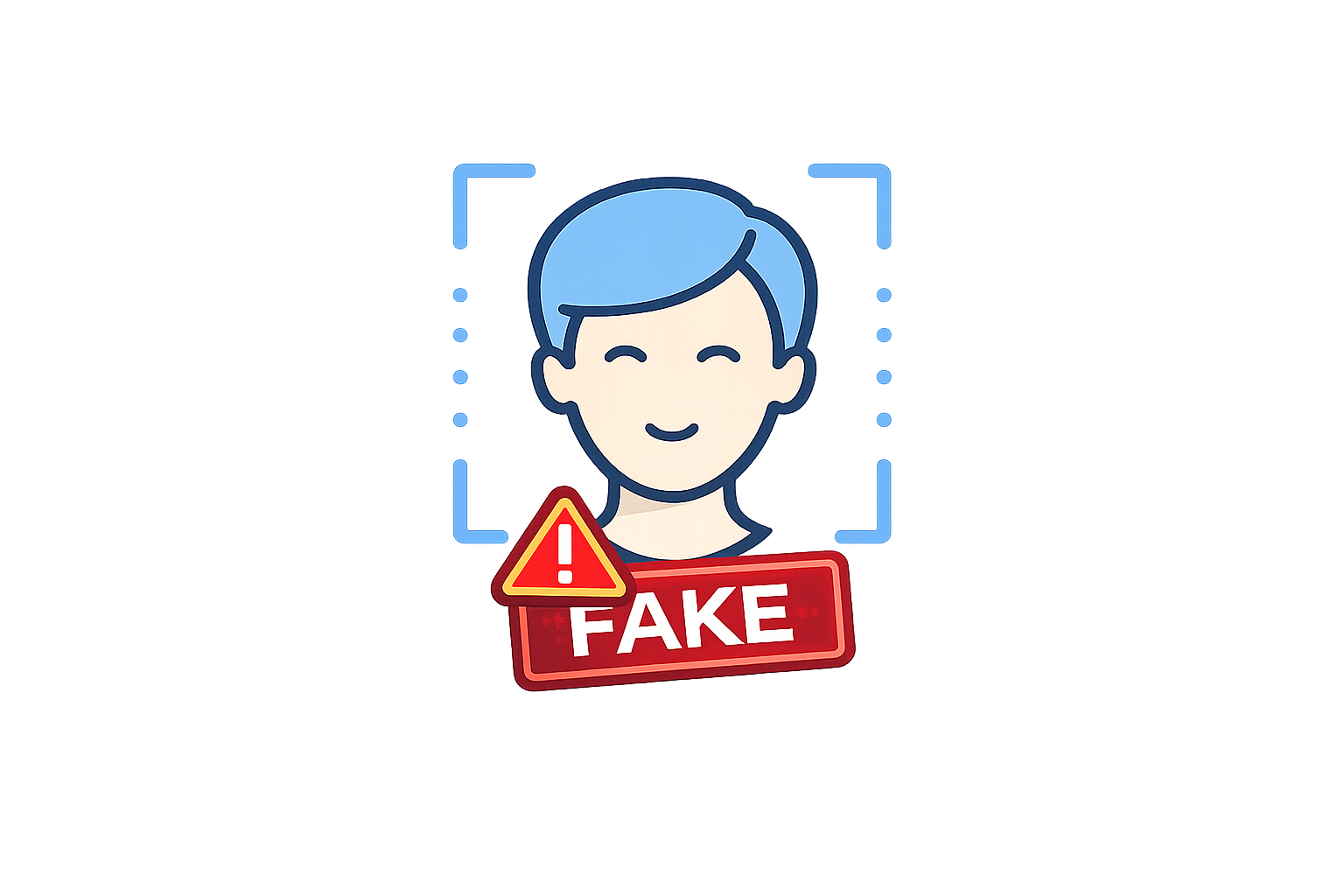
Deepfake Detection
An interactive lab exploring how deepfake detection systems identify AI-generated faces, manipulated video, and synthetic media. This lab examines spatial and temporal artifact analysis, frequency-domain signatures, and neural network classifiers used to distinguish authentic content from fabricated imagery.
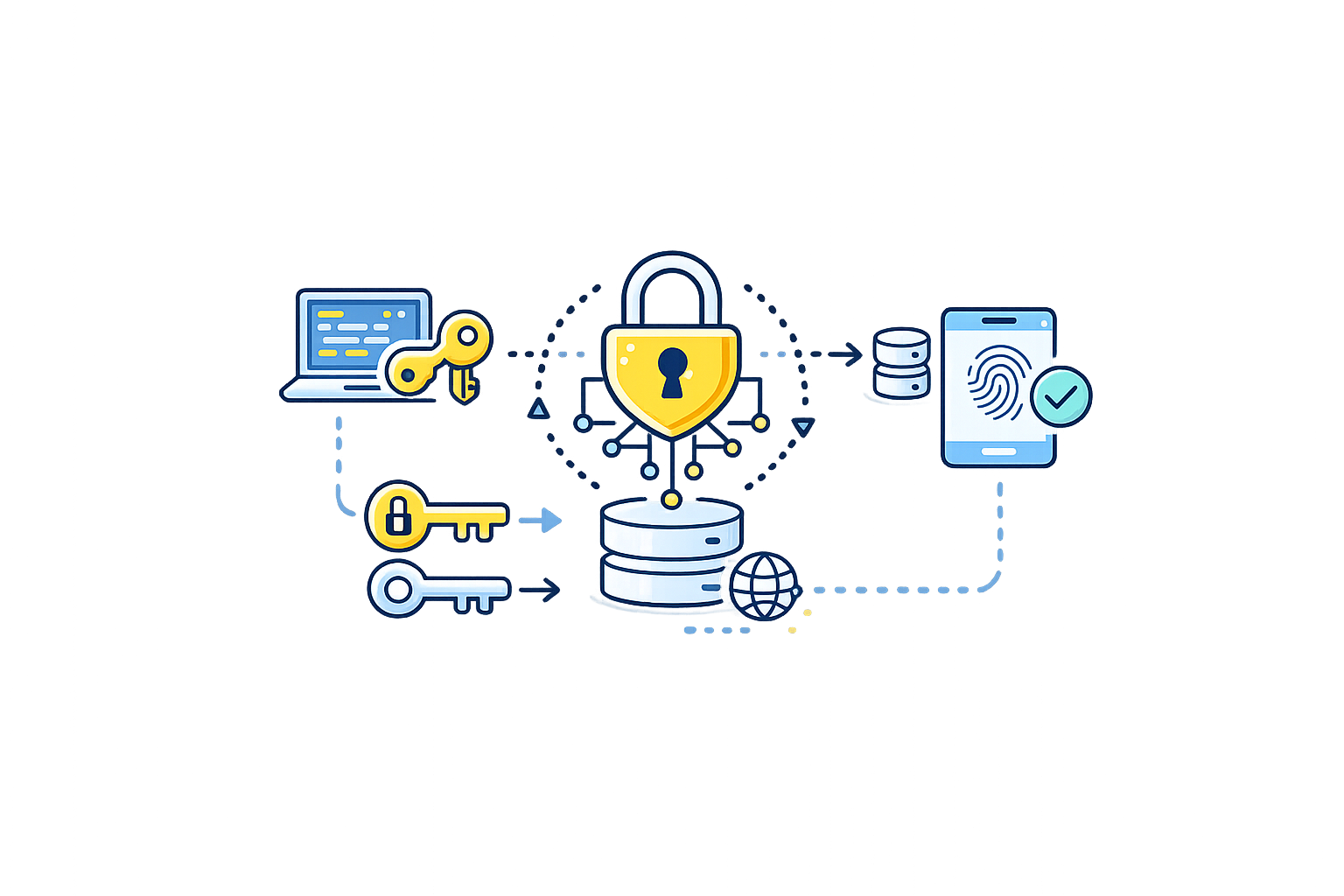
Passkey Cryptography
A deep dive into how passkeys work at the cryptographic level. This lab runs the real WebAuthn math live in your browser — RSA and ECDSA key generation, registration, signature verification, authentication, and a tamper-and-verify step showing exactly how a forged signature fails.

Your Personalized AI
An interactive look at how highly personalized AI can accelerate everyday tasks, sharpen decision-making, and act as an expert advisor across your personal and professional life. This lab explores preference learning, context-aware recommendations, and adaptive workflows that tailor intelligent assistance to the way you think and work.

CAEP: Interactive Demo
An interactive introduction to the Continuous Access Evaluation Protocol (CAEP) and how it enables real-time session revocation across applications. This lab walks through CAEP event flows and lets you trigger a live credential-change event that instantly terminates an active session on a paired application.